Do You Need a Referral to See a Physical Therapist in Wisconsin?
Wisconsin lets you call a physical therapist directly, and the first visit is simpler than most people expect.
October 14, 2026 · 4 min read
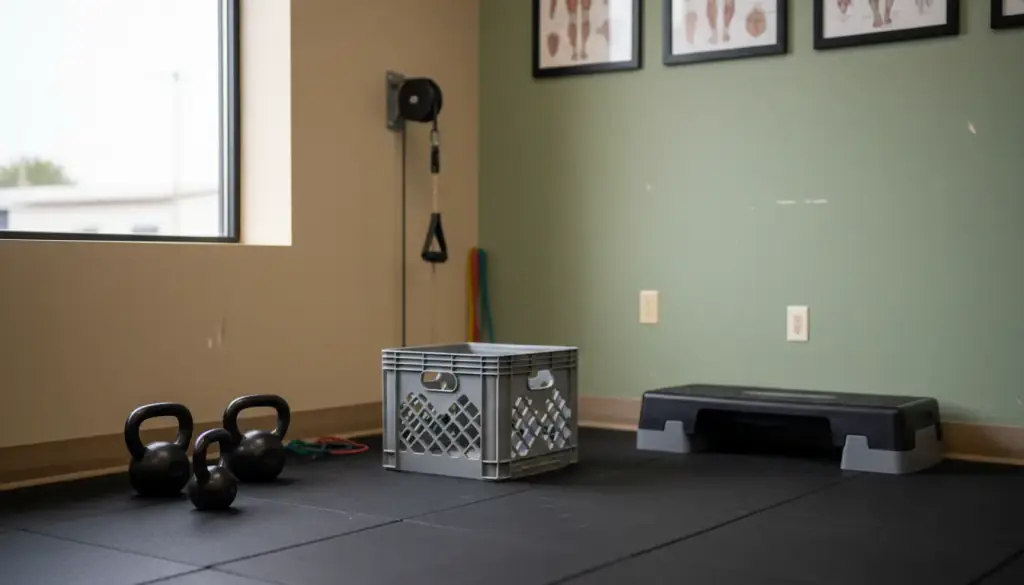
If your back has been barking for two weeks, or your knee started clicking on the stairs, you may have wondered whether you have to see your doctor first and wait for a referral before a physical therapist will see you. In Wisconsin, you don't. The state allows direct access, and at Roberts Physical Therapy it's right on the front of the practice: no referrals needed.
What does direct access actually mean?
It means you can call a clinic yourself and schedule an evaluation with a doctor of physical therapy. No prescription slip. No waiting for a primary care appointment to open up just to collect a signature. At Roberts Physical Therapy, an evaluation often happens within one to two business days of your call, so the gap between 'this has to stop' and 'someone is looking at it' can be short.
Direct access doesn't cut your doctor out of the picture. After your evaluation, the clinic sends its findings to the physician of your choice, so the person who knows your overall health history stays informed.
Are there times a referral still comes into play?
A few. Workers' compensation claims are the most common one. When you schedule a work injury visit, Roberts Physical Therapy asks you to bring your claim number and adjuster contact information, a referral from your doctor, and the date of the injury along with your employer's information. That's their process for work injuries, so have those three things in hand before you call.
Insurance plans also differ in how they handle physical therapy billing. If you plan to use coverage, ask when you call what to bring and what your plan expects. The front desk can sort that out in a couple of minutes.
What kinds of problems can you bring in?
Quite a range. Roberts Physical Therapy lists these among the things it treats:
- Upper and lower back pain, neck pain and whiplash, and sciatica
- Shoulder pain, rotator cuff injuries, and golfer's or tennis elbow
- Hip, knee, and ankle pain or injuries, plus foot pain and plantar fasciitis
- Balance disorders, chronic headaches and migraines, and TMJ pain
- Sports injuries, sport-specific rehabilitation, and post-surgical rehabilitation
- Car accident injuries and workers' compensation claims
The full list also includes arthritis, fibromyalgia, and neurological conditions such as peripheral neuropathy. If your problem isn't named, call and ask. It costs you nothing to find out whether a physical therapist is the right person to see.
What should you do before your first visit?
A few small things make the first appointment go better.
- Arrive 15 minutes early so registration doesn't eat into your treatment time.
- Bring your insurance card and any reports from earlier care, such as imaging or notes from another provider.
- Wear loose-fitting, comfortable clothes you can move in, and think about the body part being examined. Shorts for a knee, a loose top for a shoulder.
- Fill out paperwork ahead of time if you like. The clinic posts patient forms online, including a general health questionnaire and patient registration.
- Jot down a few notes: when it started, what makes it worse, what helps, and what you want to get back to doing.
What happens during the appointment itself?
The first visit typically runs about an hour. Follow-up visits are usually 45 minutes. Through all of it, you have your physical therapist's undivided attention for the whole session, which is not something every medical setting can say.
Expect questions first. Where does it hurt? When did it begin? What does a bad day look like? Then comes the hands-on part: how you move, how far a joint travels, what feels strong and what gives out, and where a little pressure brings your symptoms back. After that, your therapist explains what they think is going on and lays out a plan, including exercises you can do at home.
Roberts Physical Therapy describes its approach as starting by listening to your story, and that's a fair picture of a good first visit. You're there to be heard as much as examined. The therapists are doctors of physical therapy, and the clinic notes that comes with seven years of schooling.
When is it better to see a doctor first?
Direct access is built for pain, stiffness, injuries, and movement problems. Some situations belong with a physician or the emergency room first: a suspected broken bone, a head injury, severe or worsening neurological symptoms, or an open wound with signs of infection. If any of that sounds like you, don't wait for a physical therapy slot.
And if your therapist finds something during the evaluation that needs a physician's eyes, they'll tell you so. Good therapists know where their work ends and someone else's begins.
Where can you be seen?
Roberts Physical Therapy has clinics in Amherst, Plainfield, and Wisconsin Rapids. The Amherst and Wisconsin Rapids clinics are open Monday through Friday, 8:00 am to 5:00 pm, and hours vary at the other locations. There are also appointments at the Stevens Point Area YMCA and the Plover YMCA, which use their own phone line at (715) 529-3487.
To set up a first visit at Amherst, Plainfield, or Wisconsin Rapids, call Roberts Physical Therapy at (715) 803-7617. You don't need a referral to make that call.
Roberts Physical Therapy, (715) 803-7617
Call (715) 803-7617More articles
Walk-In Physical Therapy or the ER? How to Tell the Difference
Some injuries can be handled the same day by a physical therapist, and some should never wait for one.
3 Misconceptions About Aquatic Therapy
Water-based physical therapy gets misunderstood a lot, and the myths keep some people from trying it.