What a Running Evaluation and 3D Running Analysis Actually Look At
A running evaluation is part movement study, part strength test, and part conversation about the miles you want to run.
October 14, 2026 · 4 min read
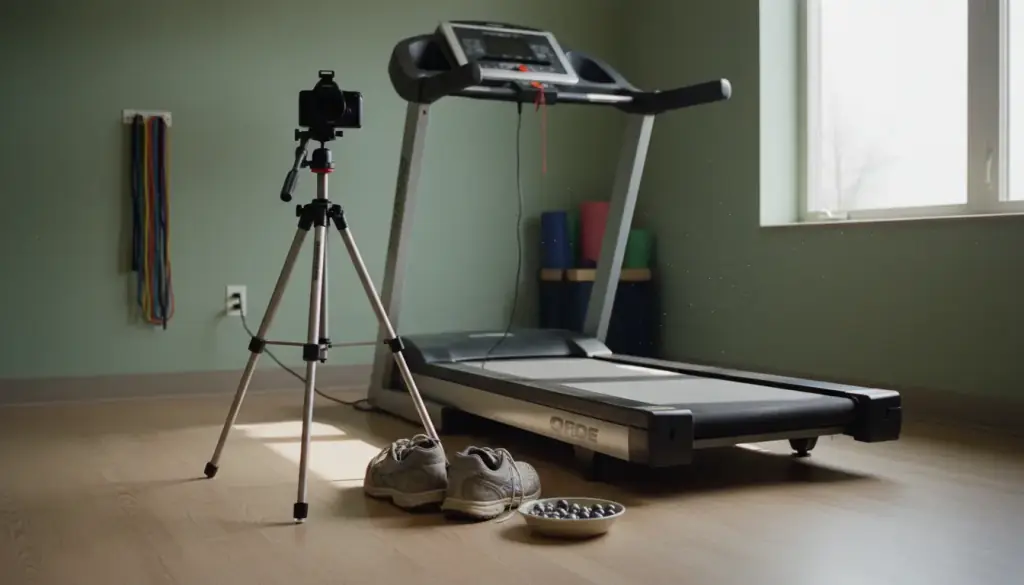
Plenty of runners go years without anyone watching them run. They get a pair of shoes, pick a route, and when something starts to ache, they guess. A running evaluation swaps the guess for a look. The Pineries Running Lab, run through Roberts Physical Therapy in the Stevens Point and Plover area, offers several ways to get one.
Here's what each option involves, what the therapist is trying to learn, and what it costs, using the lab's own published prices.
What is a standard running evaluation?
The Running Evaluation is a 90-minute session that combines two things: a multi-view video gait analysis and a full strength and mobility assessment. It costs $225.
Multi-view means the camera sees you from more than one angle, such as from the side, from behind, and from the front. Each angle shows something different. The side view is good for how your foot lands relative to your body and how your trunk is positioned. The rear view shows what your pelvis and knees do as you load each leg. The front view helps with arm swing, crossover, and symmetry.
Why does the strength and mobility part matter?
Because video shows what you do, not why you do it. If a runner's pelvis drops on one side with every step, the cause could be weak hip muscles, a stiff ankle, a tight hip, or just habit. Those need different answers.
So the second half of the session is hands-on. A therapist typically checks how well each ankle, hip, and spine segment moves, how strong key muscles are, how you balance on one leg, and whether specific movements bring on your symptoms. Then they connect the two halves: here's what we saw on video, here's what we found on the table, and here's how they fit together.
What is 3D running analysis, and how is it different?
A 3D analysis measures your movement in three dimensions, rather than reading it from flat video. In practice, that means a more detailed picture of how your joints move through the running stride. The lab offers two versions:
- 3D Running Evaluation: 90 minutes, $349.
- 3D Gait Screen: 30 minutes, $75.
Results arrive in the RunDNA app, so you have the information in your pocket instead of in your memory. The lab also lists group pricing for 3D analysis, which can suit a running club or training group.
Which one should you choose?
Think about what you're trying to answer.
- You're hurt and nothing has made sense so far. The 90-minute evaluation, with its strength and mobility work, is built for that.
- You want the most detailed read on your mechanics. The 3D Running Evaluation is the deeper option.
- You're healthy and curious, or you want a quick check before a training block. The 30-minute 3D Gait Screen is the lighter entry point.
If you can't tell which one fits, the lab offers a free 15-minute virtual consultation. Text CONSULT to the number below and a Run Lab Coach replies.
What are the therapists actually looking for?
They're not hunting for a single perfect form. There isn't one. Good runners look different from each other, and plenty of efficient runners have quirks. What matters is whether a particular pattern fits you, and whether it's connected to the problem you came in with.
Typical things to look at include how often your feet hit the ground, where they land relative to your hips, how far you lean, how much your pelvis and knees move side to side, how your arms swing, and whether the left and right sides tell the same story. Lab director Nathan Brown, DPT, OCS, is certified in movement, gait, and running, so those questions are the lab's home turf.
Do you have to be injured to book one?
No. Runners come for different reasons: a nagging pain that won't leave, a return from time off, a first race, a new training plan, or plain curiosity. Roberts Physical Therapy describes the lab as a trusted, accessible source of evaluation, training, and care for people who want to run for health or sport.
If you do have an injury, the lab sits inside a physical therapy practice, which means evaluation and rehabilitation can be connected. Rehabilitation at the lab is billed to insurance. And since Wisconsin allows direct access, you don't need a referral to start.
What should you bring and do beforehand?
- Wear the shoes you actually run in, and bring a second pair if you rotate.
- Wear clothes you can run in comfortably, since the therapist needs to see your legs and hips move.
- Bring notes on your weekly mileage, your goals, and any pain history.
- Bring a past race or training schedule if you have one.
Ask the lab ahead of time about any other prep. Details can vary by session type.
What happens after the evaluation?
You walk out knowing what the therapist saw and what it likely means for you, with results in the RunDNA app. Depending on what turned up, the next step might be targeted strength work, a mobility plan, a change to your training load, treatment for an area that's been bothering you, or simply a go-ahead to keep doing what you're doing. The lab also offers run performance training and coaching if you want a longer-term plan.
To book a session, ask a question, or find out which evaluation fits you, call Roberts Physical Therapy at (715) 803-7617.
Roberts Physical Therapy, (715) 803-7617
Call (715) 803-7617More articles
Do You Need a Referral to See a Physical Therapist in Wisconsin?
Wisconsin lets you call a physical therapist directly, and the first visit is simpler than most people expect.
Walk-In Physical Therapy or the ER? How to Tell the Difference
Some injuries can be handled the same day by a physical therapist, and some should never wait for one.